Published in Lifestyle
Understanding Mallorca’s regions: lifestyle, locales, and international influence
Discover Mallorca’s diverse real estate regions, lifestyles, and international buyer trends to make smart luxury property investments on this Mediterranean island.


Mallorca, a crown jewel of the Balearic Islands, offers far more than its Mediterranean charm. Its real estate market is highly segmented into distinct micro-regions, each presenting unique lifestyle opportunities that attract diverse international buyers. From cosmopolitan urban centers to rustic agrotourism retreats, Mallorca’s property landscape reflects a broad spectrum of buyer preferences, making it essential for US investors and homebuyers to understand these regional nuances to maximize both lifestyle satisfaction and investment potential.
Palma and surrounding area

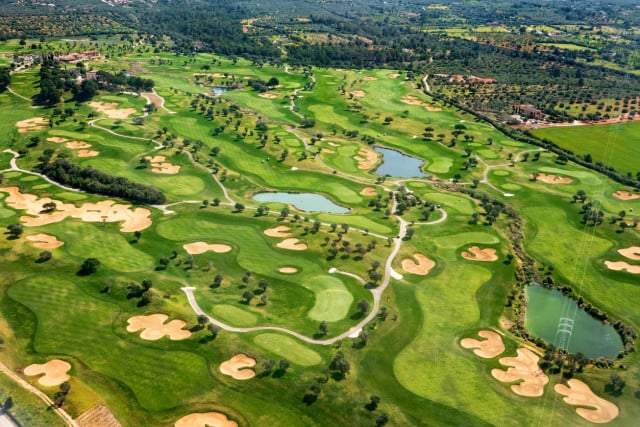
At the heart of the island lies Palma, Mallorca’s vibrant capital city and the island’s cultural, commercial, and residential hub. Palma’s iconic gothic cathedral, upscale marina, boutique shopping, and dynamic culinary scene create a cosmopolitan atmosphere appealing to affluent professionals, digital nomads, and families alike. Surrounding suburbs such as Son Vida and Gènova enhance Palma’s urban appeal with exclusive residential communities. Son Vida, in particular, is a prestigious, high-security enclave known for its world-class golf courses and expansive villas, drawing a significant number of German, British, Scandinavian, and an increasing number of North American buyers. The area’s proximity to international schools, top-tier healthcare, and Palma’s well-connected airport makes it a prime location combining convenience with luxury.
Calvià and Andratx

Heading southwest, the Calvià and Andratx regions epitomize luxury living. Exclusive enclaves such as Puerto Portals, Santa Ponsa, and Port d’Andratx are synonymous with designer architecture, upscale yachting culture, and gated communities. This prestigious corridor attracts ultra-high-net-worth individuals (UHNWIs) primarily from Germany, the UK, and Switzerland, many owning second homes or investment properties. Santa Ponsa is known for its family-friendly environment and championship golf facilities, while Puerto Portals rivals Monaco with its superyacht-filled marina and international elite clientele. Real estate here commands premium valuations, especially for sea-view apartments and ultra-modern villas, with low market turnover highlighting its exclusivity.
North and northwestern areas

The northern and northwestern areas, framed by the UNESCO-listed Serra de Tramuntana mountains, offer a contrasting lifestyle focused on cultural heritage, environmental preservation, and creative inspiration. Towns such as Sóller, Deià, Valldemossa, Fornalutx, Biniaraix, and Pollença attract buyers seeking authenticity and tranquility. Deià, famed for its dramatic mountainside views, has long been a haven for artists and writers and now increasingly appeals to American and British buyers interested in historic, stone-built homes. Pollença and Port de Pollença feature charming plazas, thriving art scenes, and traditional festivals, drawing British, Dutch, and Scandinavian investors often looking for second homes or high-yield rental properties. Strict local planning laws protect these areas, preserving their natural beauty and supporting long-term asset value—an attractive proposition for legacy-minded buyers.
Northeast

Northeast Mallorca remains less developed and appeals to buyers prioritizing privacy, rural charm, and untapped growth potential. Historic towns like Artà and Capdepera, along with beachside spots such as Canyamel, combine natural parks, medieval heritage, and emerging boutique developments. German nationals lead buyer interest here, attracted by the area’s peaceful pace, relative affordability compared to the southwest, and authentic countryside ambiance. Swiss, Austrian, and Nordic investors are also establishing a presence, investing in countryside estates, restored fincas, and boutique hospitality projects. This micro-market suits semi-retired buyers or couples seeking lifestyle properties with promising capital appreciation.
Central and southeast

Central and southeast Mallorca—including Santanyí, Ses Salines, Campos, Manacor, Algaida, and Alaró—is an under-the-radar opportunity undergoing a renaissance. These inland zones offer large land parcels, traditional stone architecture, and a slower pace of life appealing to post-urban luxury buyers. Santanyí has evolved into a refined design and arts hub, attracting German, French, Dutch, Belgian, and younger British and French investors with a keen eye for aesthetics. Inland towns like Campos and Manacor are becoming hotspots for agricultural and hospitality development, capitalizing on the growing agrotourism trend. Large fincas are being converted into boutique wellness resorts and eco-retreats, catering to sustainability-conscious buyers seeking privacy and exclusivity.
Mallorca’s segmented regions operate as distinct micro-markets, each delivering tailored value propositions that align with specific buyer motivations and long-term lifestyle goals. From the liquid prestige of the southwest to the conservation-driven northwest, and the discreet investment appeal of the northeast and central zones, understanding these detailed dynamics is essential. Whether US buyers are seeking yield-generating assets, legacy properties, seasonal retreats, or permanent relocation options, a granular knowledge of the psychographics and nationality-driven buyer profiles in each region is critical for strategic positioning in Mallorca’s competitive luxury real estate market.
Given the complex and highly localized urban planning regulations across these regions, consulting a qualified real estate agency with deep expertise in Mallorca is indispensable.