Published in Market trends
Community living: the shift towards connection, convenience and considered design
Community living is redefining modern housing, combining wellbeing, connection and convenience in Spain’s evolving prime residential market.

- Blog
- Articles
- Market trends
- Community living: the shift towards...
Community living has become one of the most significant undercurrents in residential real estate. Not as a radical departure from traditional housing, but as a quiet evolution. Buyers are increasingly looking beyond square metres and postcodes, asking instead how a home supports the way they want to live.
The appeal lies in balance. Privacy remains non negotiable, yet isolation no longer holds the same appeal. Community living developments are designed to offer independence within a wider framework of shared spaces, services and social infrastructure.
Our Premium Advisory Service offers end to end management of your property search
From the search, to fiscal and legal structuring and property management, where needed.
Contact the team via WhatsappA more intentional form of housing
At its core, community living reflects a broader cultural shift towards intentionality. Ownership alone is no longer enough. Experience, convenience and wellbeing are becoming central to residential decisions.
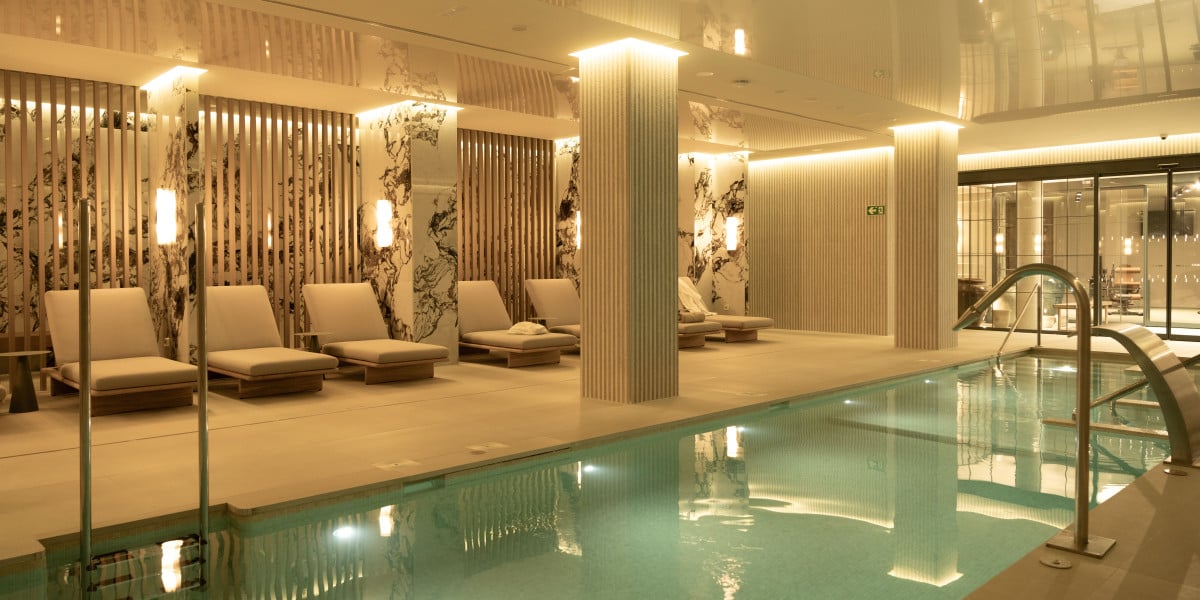
Rather than focusing solely on the private unit, these schemes integrate landscaped gardens, wellness facilities, workspaces and social areas that allow residents to engage organically. The emphasis is on optional connection. Doors close fully, but life does not stop at the threshold.
This model has gained traction across major European cities, including Madrid and Barcelona, where demand for high quality, service led housing continues to rise.
Wellbeing as standard
Wellbeing is another defining feature. Light, green space and calm architecture are now baseline expectations in the prime market. Community living developments tend to formalise these principles, embedding them into the daily rhythm of the environment.
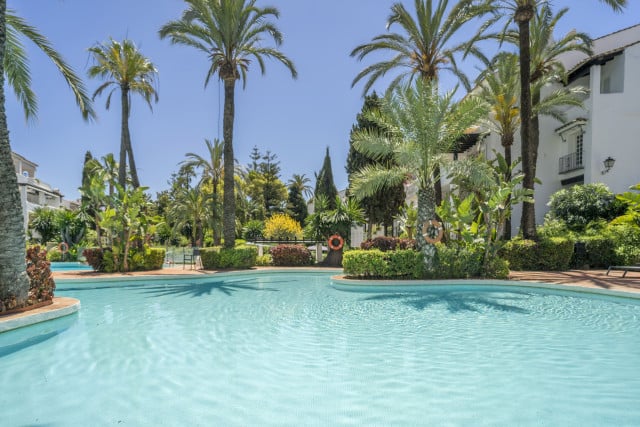
Fitness studios, pools, walking paths and shared outdoor areas make healthy routines easier to sustain. The design encourages movement and interaction without forcing either. For many buyers in their forties and fifties, this long view of lifestyle has become a serious consideration.
The value of simplicity
Time is arguably the most valuable asset for today’s buyer. International careers, flexible working and multiple residences have made simplicity a priority.
Community living often incorporates on site management and discreet services that reduce administrative burden. The result is a sense of ease. Homes that can be lived in fully, yet left without complication.
This is particularly relevant in Spain, where lifestyle driven relocation and second home ownership remain strong themes in the residential market.
A subtle example
Elements of this approach can be seen in projects such as Cando in La Moraleja, on the outskirts of Madrid. The development combines private residences with shared amenities centred on wellbeing and everyday convenience. It is presented less as a concept and more as a natural extension of how some buyers now wish to live.
Redefining value
Community living does not replace traditional housing. It reframes it. Value is no longer measured purely in finishes or frontage, but in how seamlessly a home fits into daily life.
For buyers seeking connection without compromise, convenience without anonymity and design without excess, community living offers a persuasive middle ground.
It is not a passing fashion. It is a considered response to how modern life is structured and where it is heading.
Buyers exploring community living can also access our Premium Advisory Service, designed to provide discreet, strategic advice aligned with individual lifestyle and investment priorities.