Updated January 2026
Living in Mallorca: lifestyle, infrastructure and property
Living in Mallorca offers over 300 days of sunshine per year, year-round infrastructure, international schools, high-quality healthcare, and unrestricted foreign property ownership. As the largest of Spain’s Balearic Islands, it combines Mediterranean lifestyle with established residential communities, strong air connectivity across Europe, and diverse property options ranging from seafront villas to historic town apartments.
With a population of around 900,000 residents, Mallorca functions well beyond the summer season. The island supports permanent communities with reliable healthcare services, international education, and modern transport links. Regular direct flights connect Mallorca to major European cities throughout the year, reinforcing its position as one of Europe’s most desirable residential destinations.
For international residents, living in Mallorca means access to vibrant cultural life, outdoor living, and a property market that caters to both urban and countryside preferences.
The cost of living in Mallorca
The cost of living in Mallorca varies depending on lifestyle and location. Palma and the southwest tend to offer a more urban and international environment, while inland villages provide a quieter pace and larger properties.
Daily expenses such as dining, local transport, and leisure activities are comparable to other established Mediterranean regions. Private healthcare and international schooling are widely available, contributing to the island’s appeal among long-term residents.
Overall, living in Mallorca offers flexibility: residents can adapt their lifestyle between cosmopolitan living in Palma, marina communities in the southwest, or traditional village settings inland.
Best places to live in Mallorca
Choosing where to live in Mallorca depends on lifestyle priorities, proximity to schools, marina access, or a preference for privacy and natural surroundings. Each region offers a distinct residential atmosphere.
Palma de Mallorca
The island’s cosmopolitan capital, offering historic streets, vibrant nightlife, international schools, and stylish apartments with sea views. Ideal for expats who want city life by the water.
→ See listings in Palma de Mallorca
West Mallorca
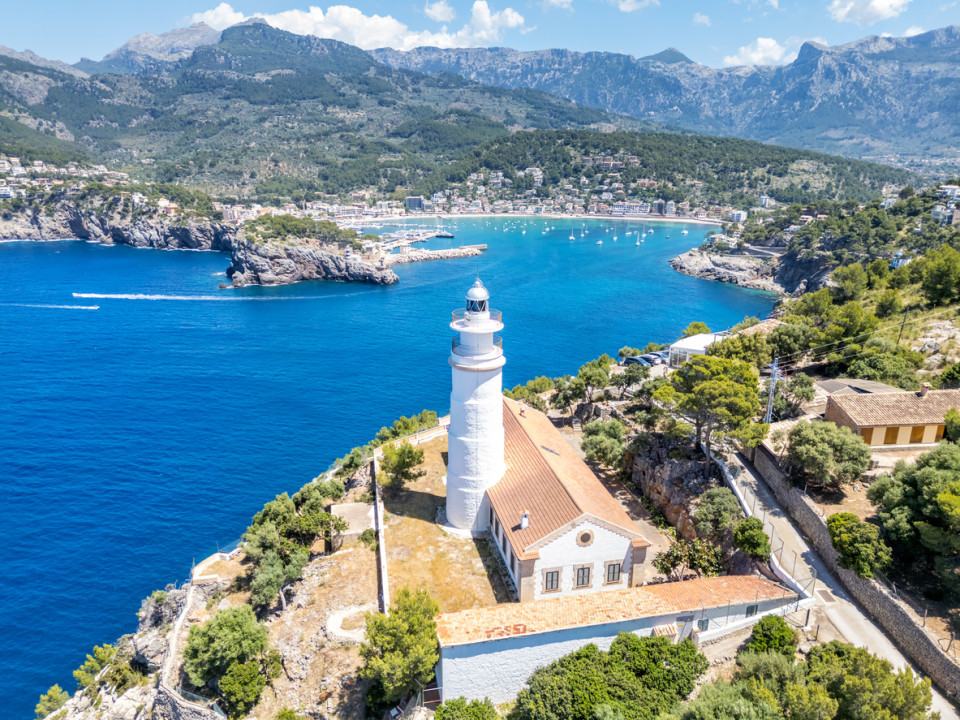
A region of dramatic mountains, exclusive marinas, and some of Mallorca’s most prestigious villas. Popular among international buyers seeking luxury, privacy, and breathtaking scenery.
→ Explore properties in West Mallorca
Central Mallorca
A region of rolling countryside, vineyards, and charming villages. Ideal for buyers who want privacy and traditional fincas, combined with easy access to Palma and the coast.
→ Discover available properties in Central Mallorca
North East Mallorca
Known for pristine beaches, natural parks, and quieter communities. Perfect for families and those seeking authenticity away from the busiest resorts.
→ Browse homes in North East Mallorca
South Mallorca
Famous for its long stretches of white-sand beaches and a relaxed Mediterranean lifestyle. Attractive for second-home buyers looking for coastal retreats.
→ View properties for sale in South Mallorca
Ready to make Mallorca your home?
Discover apartments, villas, and countryside estates across the island and receive expert guidance on buying property in Mallorca.
Speak with a Mallorca specialistPractical considerations for expats moving to Mallorca
Living in Mallorca is supported by a clear legal and administrative framework. Spain places no restrictions on foreign ownership, and property purchases are completed through a notary and land registry process.
Residents typically require a Spanish NIE (Número de Identidad de Extranjero) for administrative procedures. Healthcare services include both public and private options, while several international and bilingual schools operate across the island, particularly around Palma and the southwest.
The island’s established international community makes integration relatively seamless, with multilingual services widely available.
Lifestyle in Mallorca
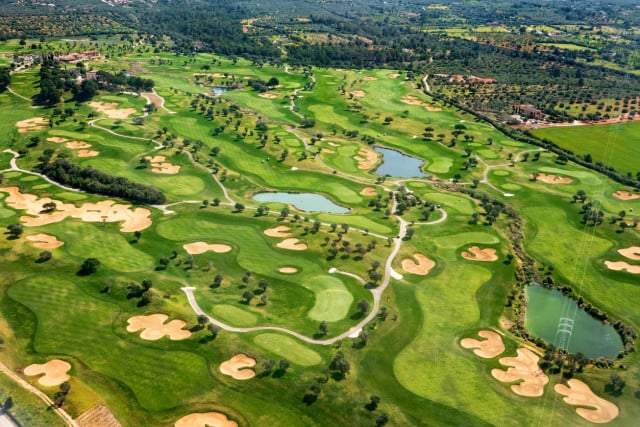
Life on the island is defined by outdoor living and cultural diversity. Residents enjoy beaches, sailing, hiking in the Tramuntana mountains, golf courses, and a strong culinary scene influenced by Mediterranean traditions.
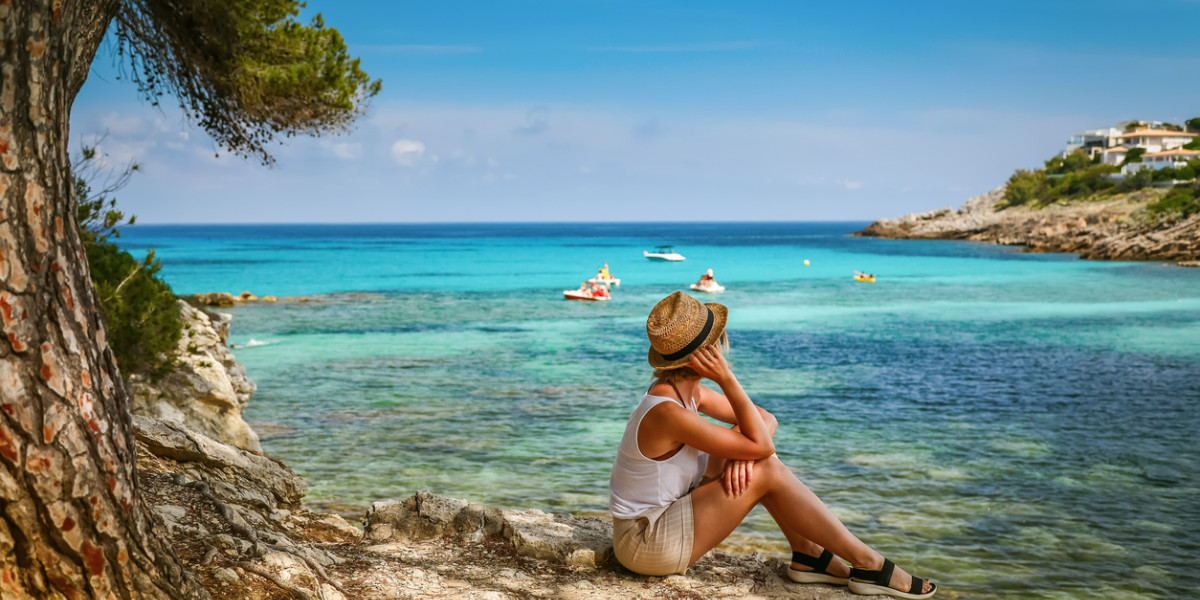
Living in Mallorca allows residents to balance coastal relaxation with access to art galleries, historic architecture, and seasonal cultural events. Year-round sunshine and a mild Mediterranean climate support an active lifestyle throughout the seasons.
Browse properties in Mallorca
Real estate in Mallorca for expats
Mallorca’s property market offers a wide range of residential options, from contemporary apartments in Palma to seafront villas and traditional countryside estates.
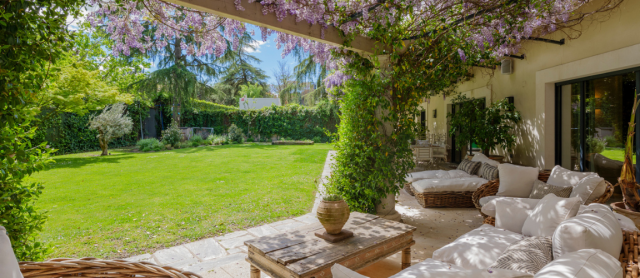
International demand remains steady due to the island’s lifestyle appeal, infrastructure, and legal clarity for foreign buyers. Established residential areas provide both privacy and community, while new developments offer modern design and energy-efficient living.
For many residents, living in Mallorca is closely connected to long-term property ownership, whether as a primary residence, seasonal base, or lifestyle investment.
-
Yes. Mallorca supports permanent residents with healthcare services, international schools, reliable infrastructure, and a stable residential community beyond the tourist season.
-
Yes. Spain places no restrictions on foreign ownership, and the purchasing process follows a regulated notary and registration system.
-
Yes. Several international and British schools operate on the island, particularly in Palma and the southwest region.
Conclusion: is living in Mallorca right for you?
Living in Mallorca offers a rare combination of Mediterranean climate, established infrastructure, cultural richness, and international connectivity. With over 300 sunny days per year, diverse residential areas, and a stable legal framework for property ownership, the island continues to attract residents seeking both lifestyle and long-term stability.
Whether your preference is an apartment in Palma, a villa overlooking the sea, or a countryside finca, Mallorca provides a residential environment suited to a wide range of lifestyles.
To explore property options and begin your journey toward living in Mallorca, speak with our local specialists.