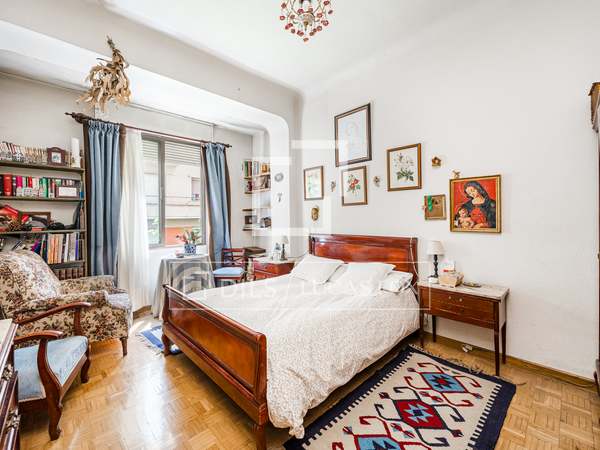
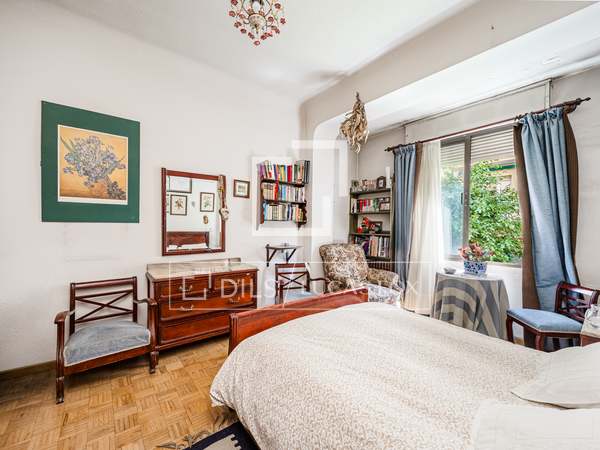
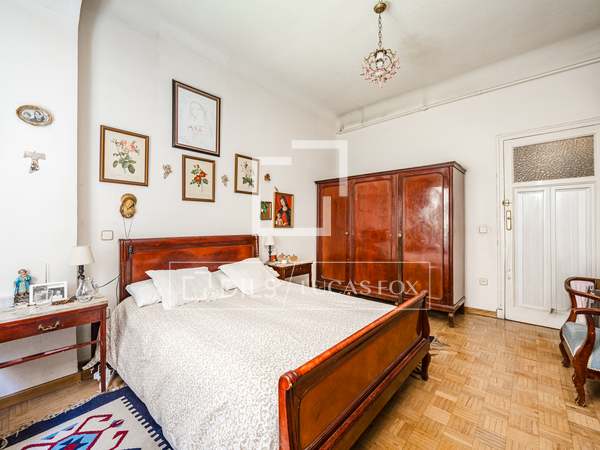
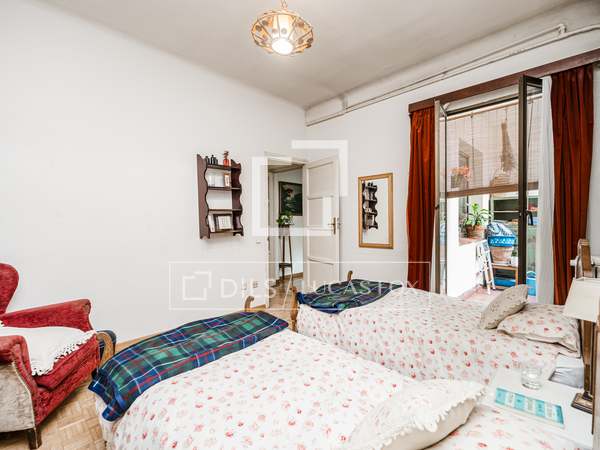
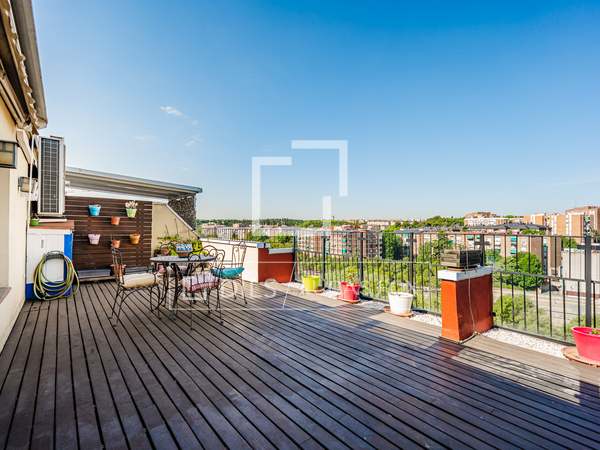
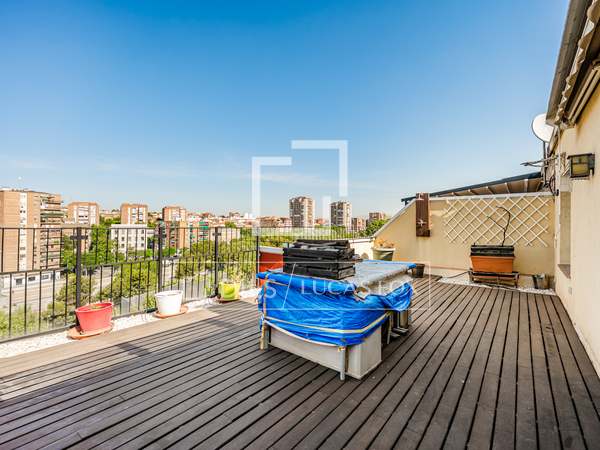
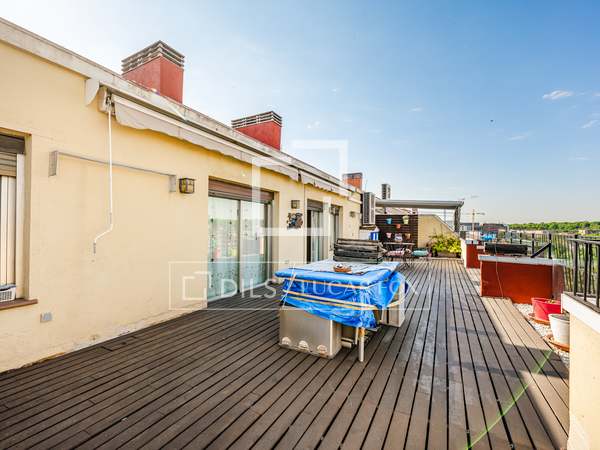
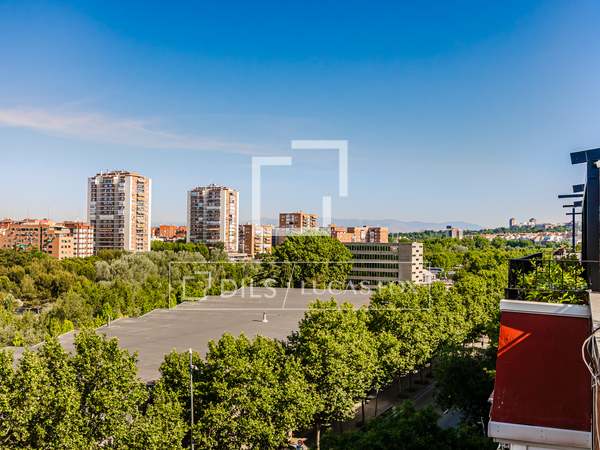
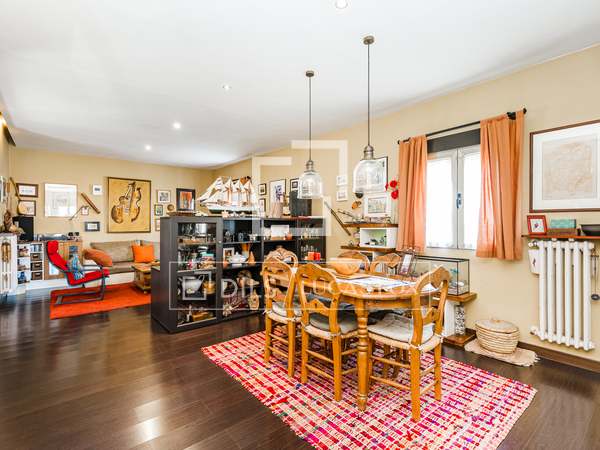
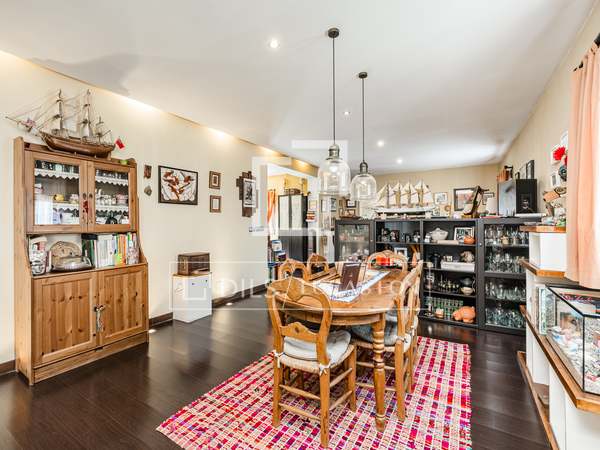
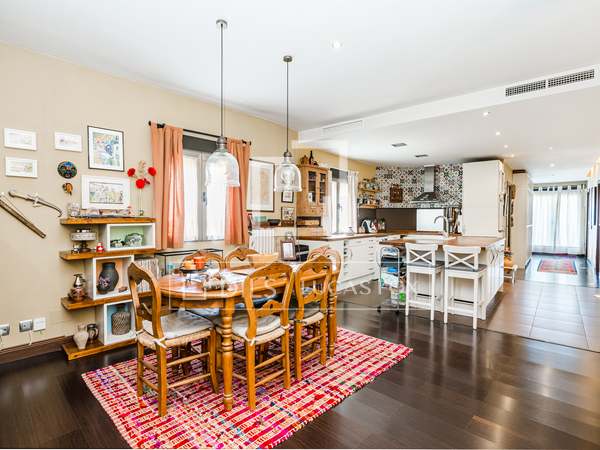
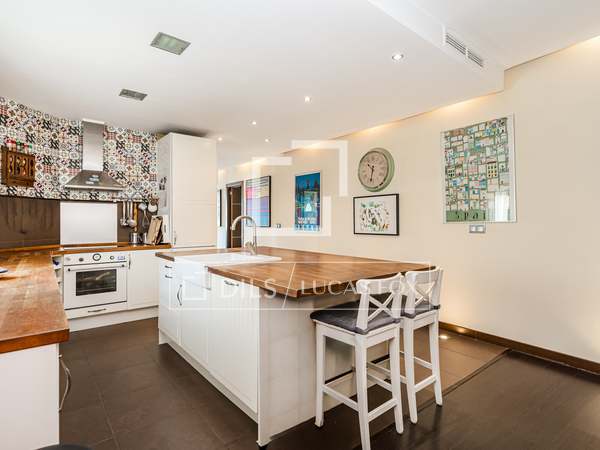
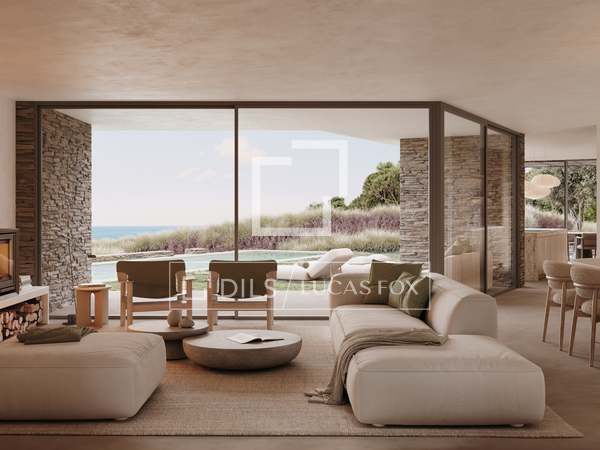
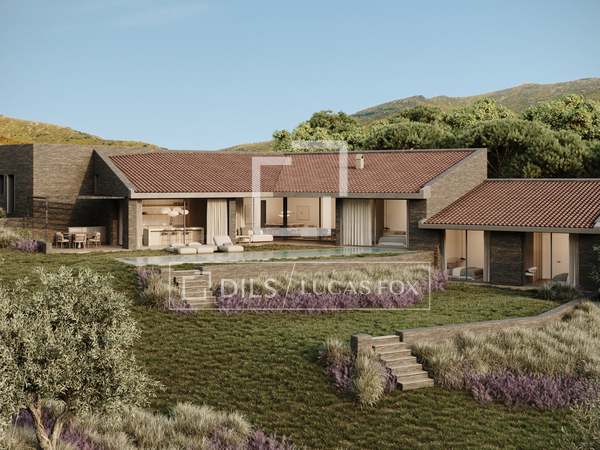
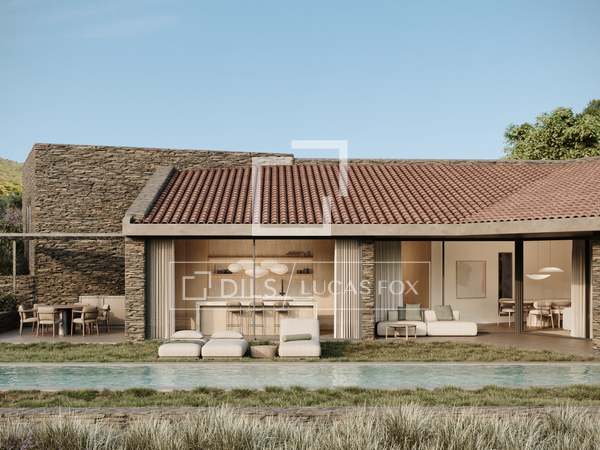
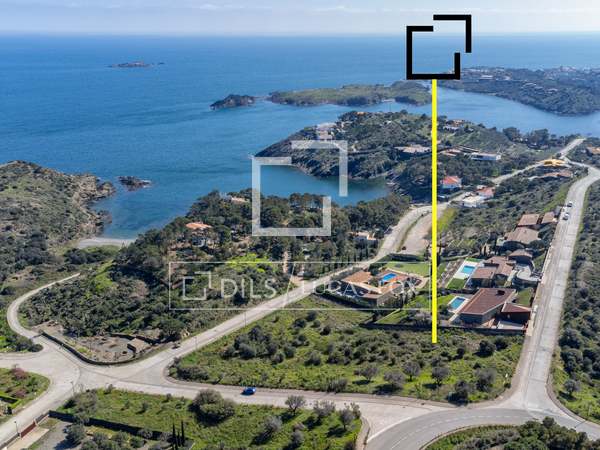
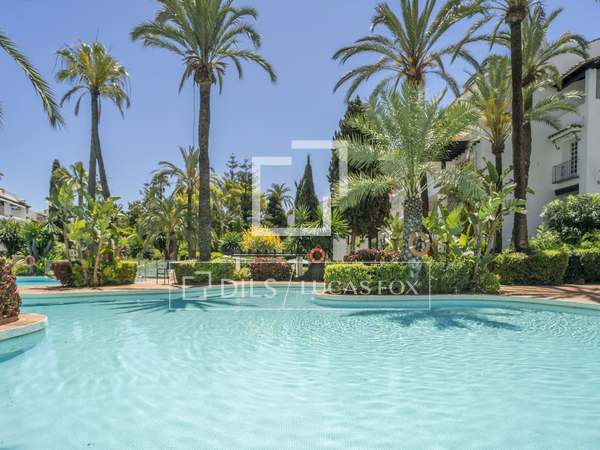
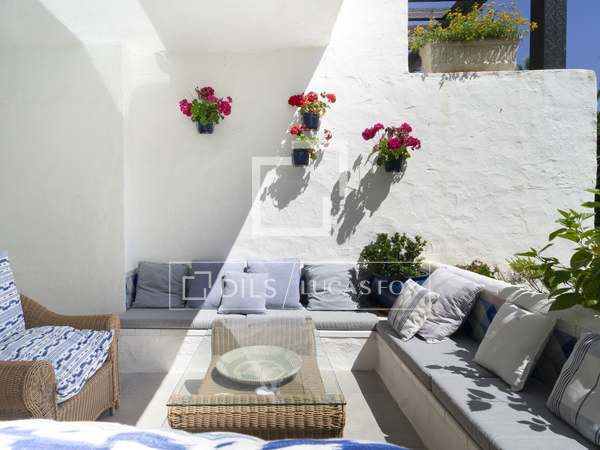
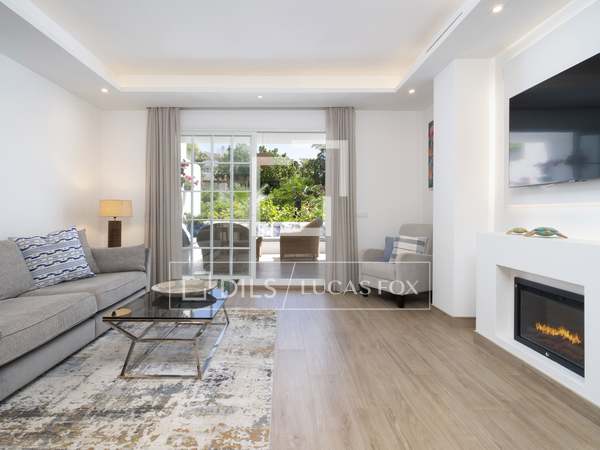
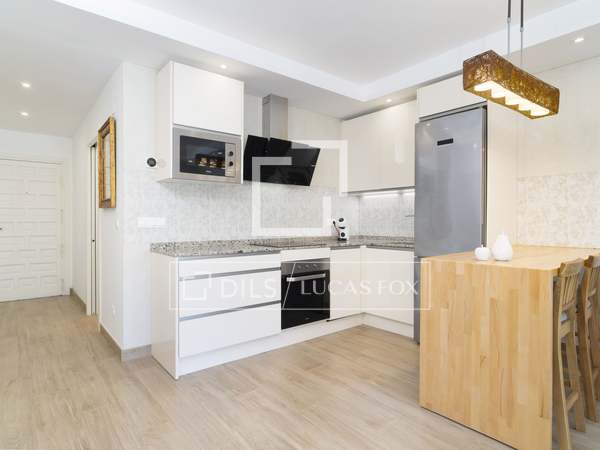
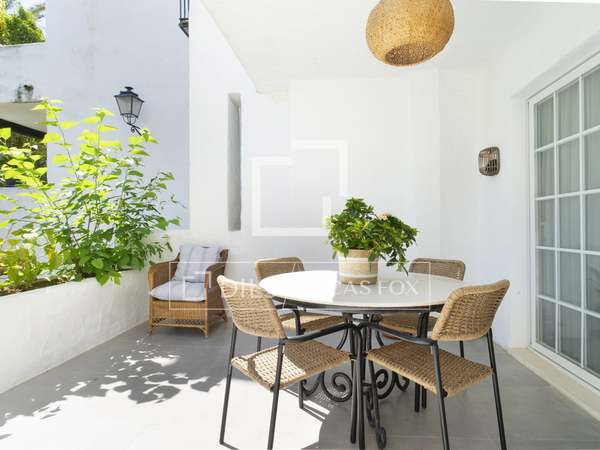
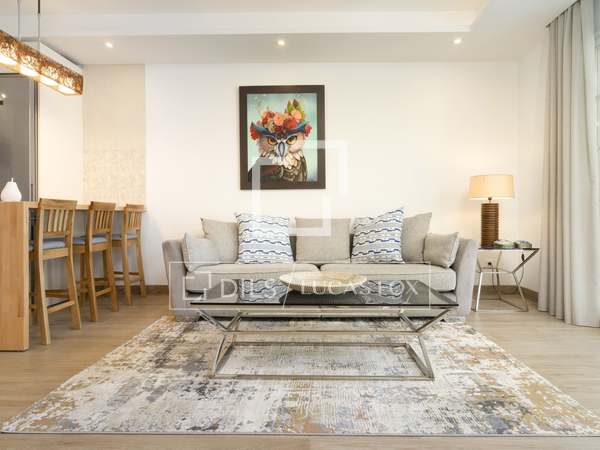
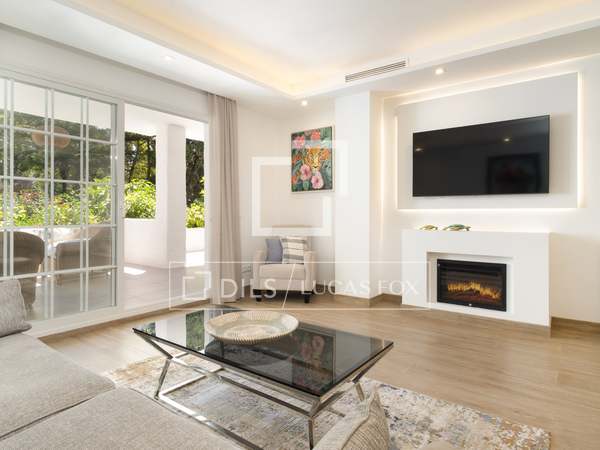
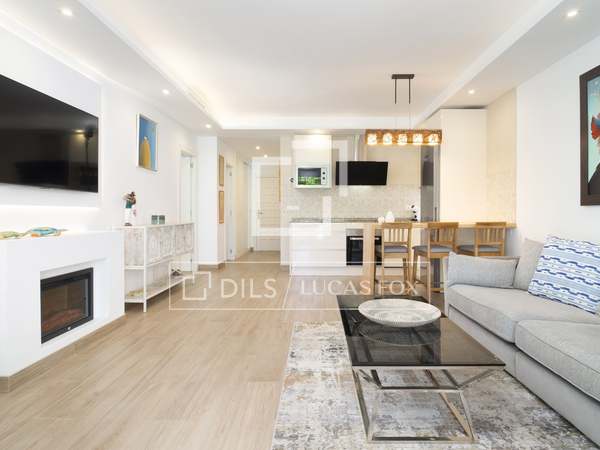
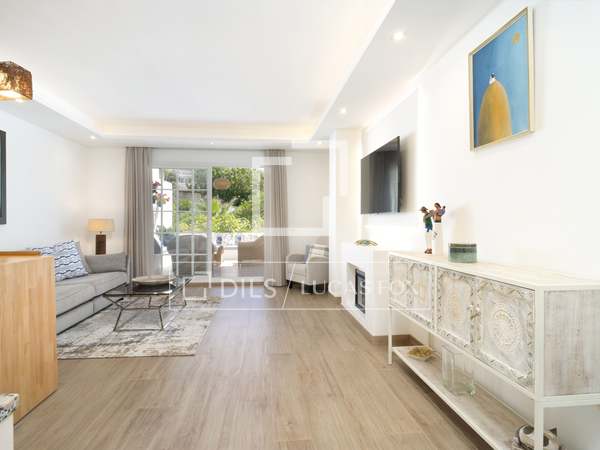
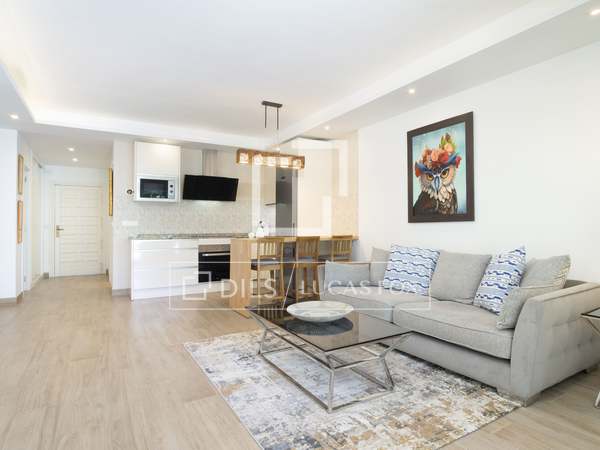
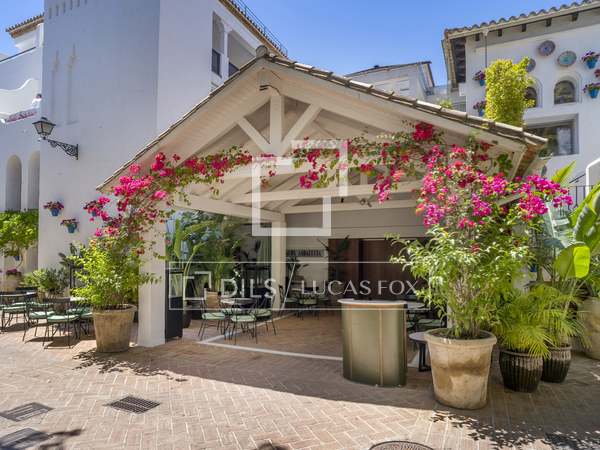
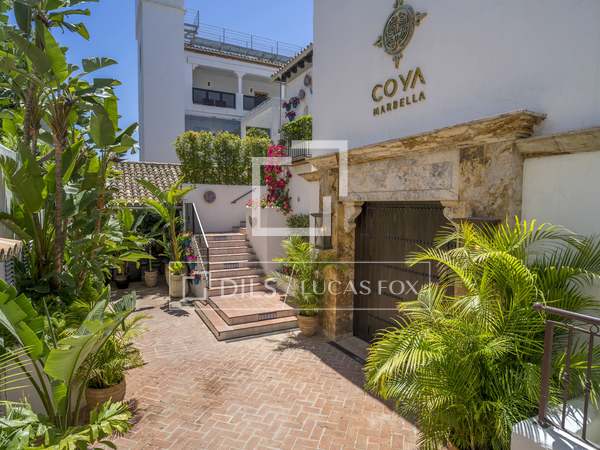
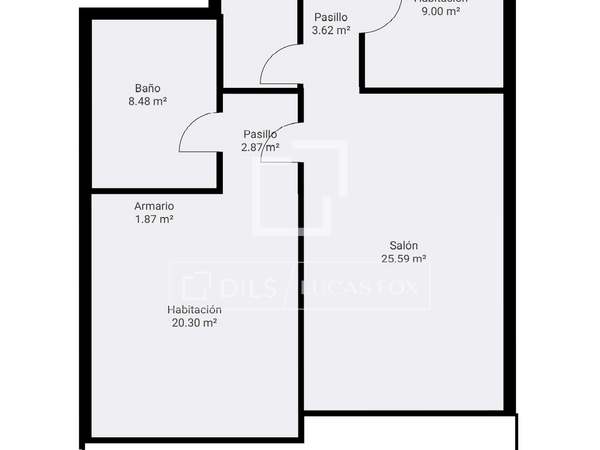
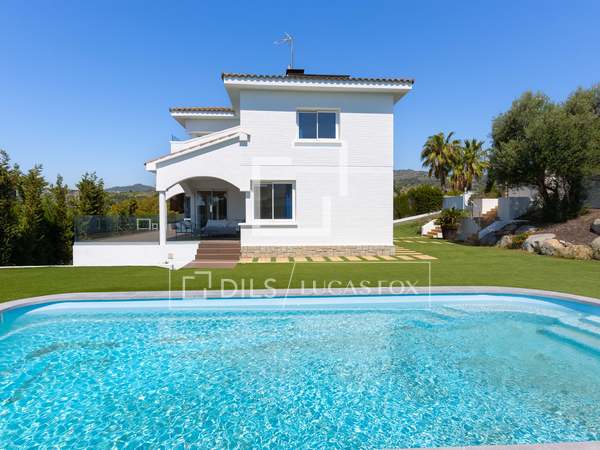
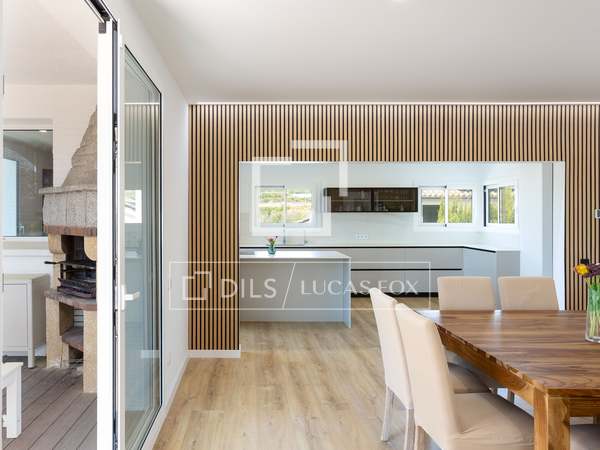
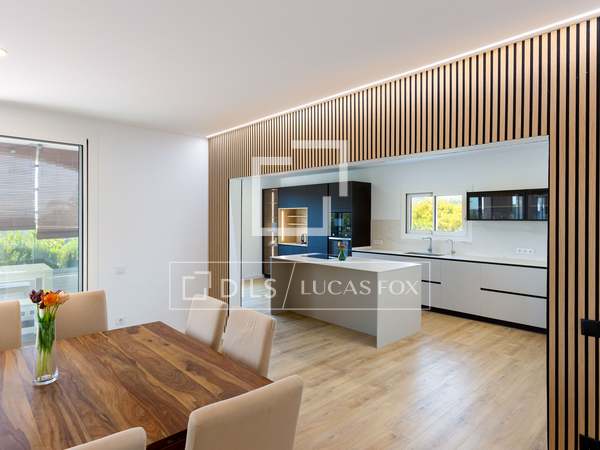
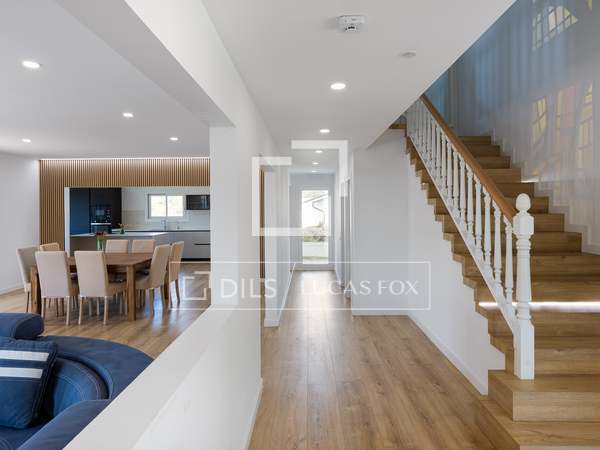
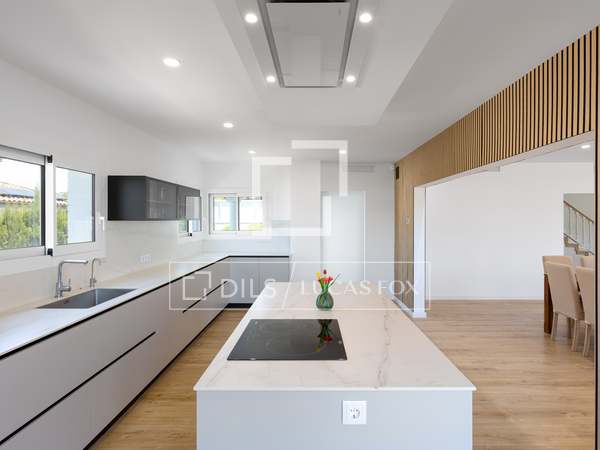
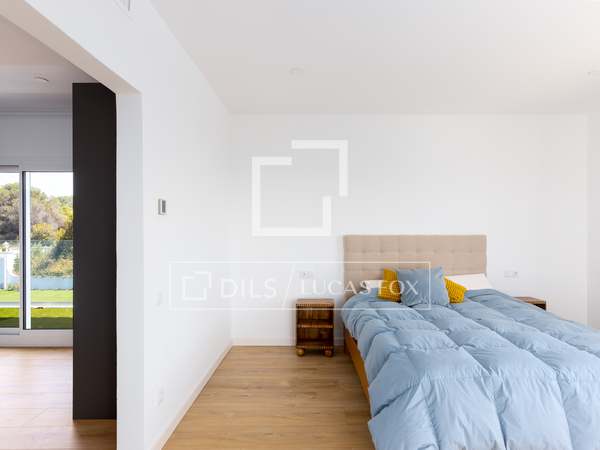
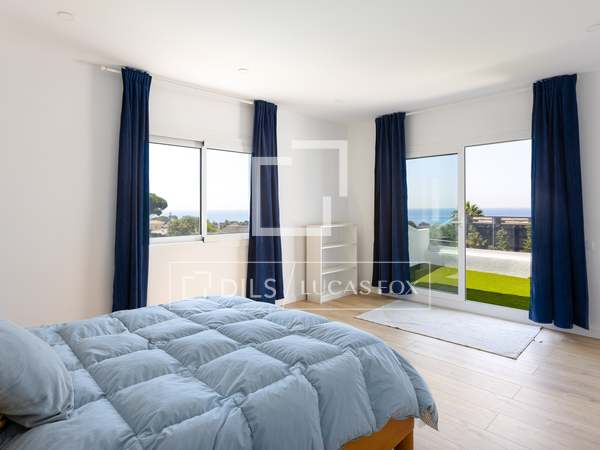
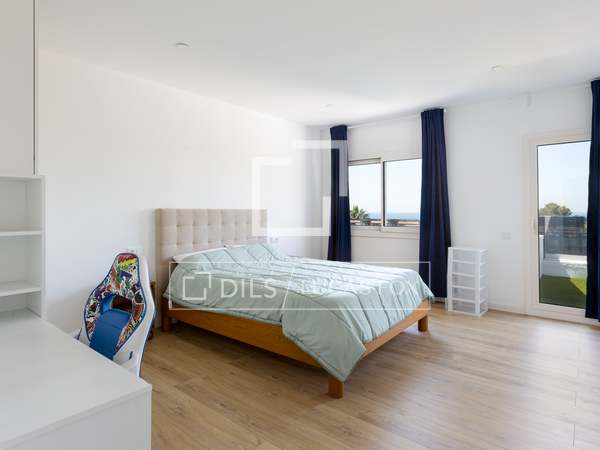
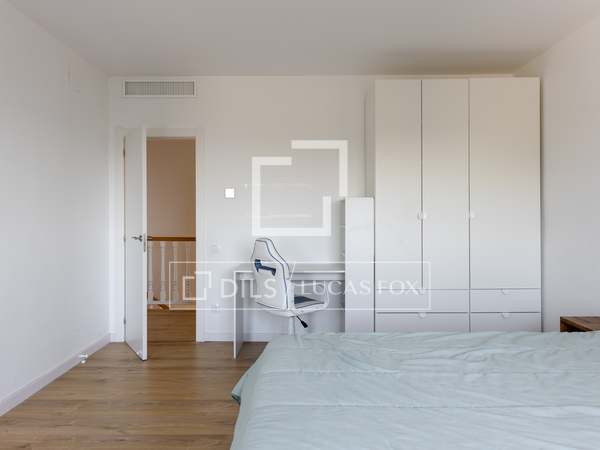
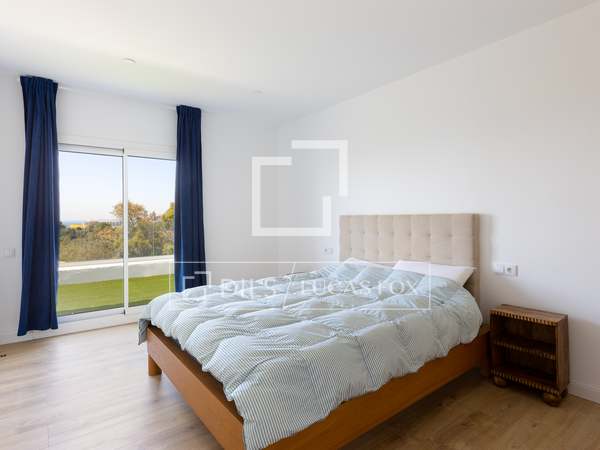
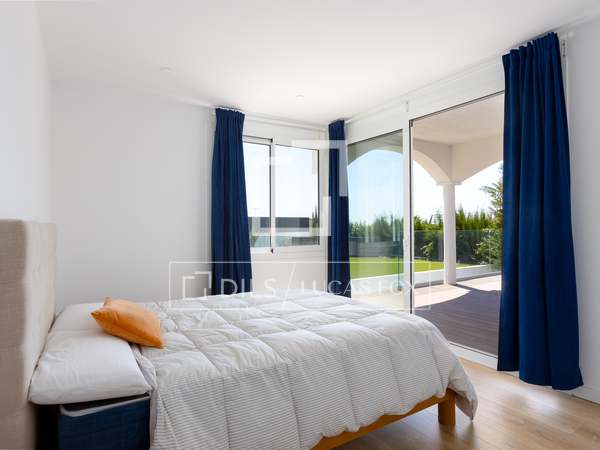
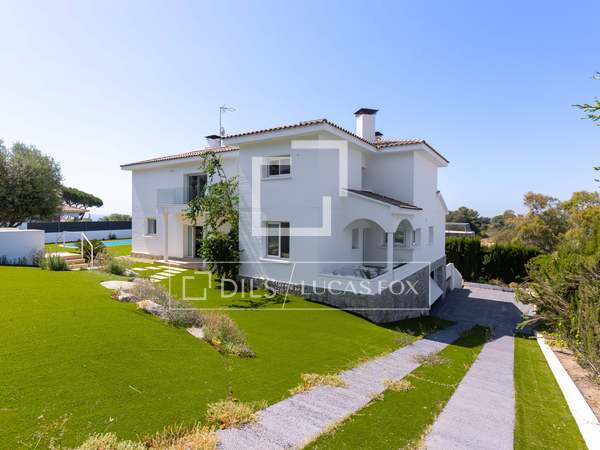
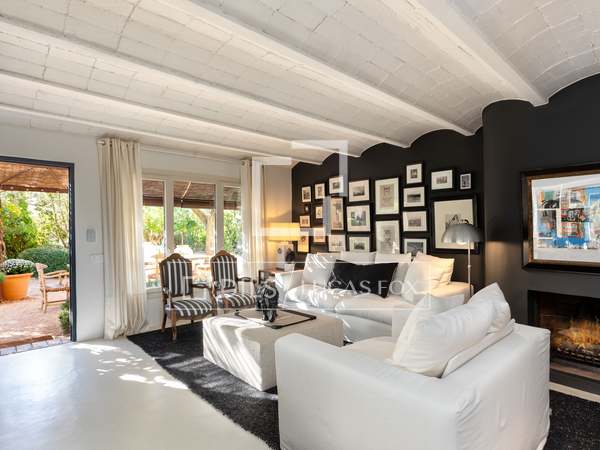
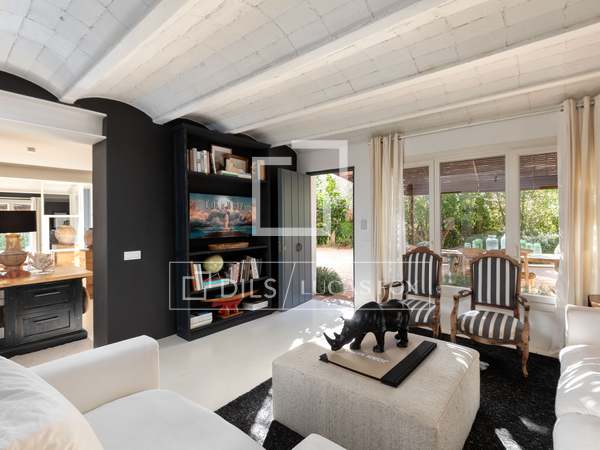
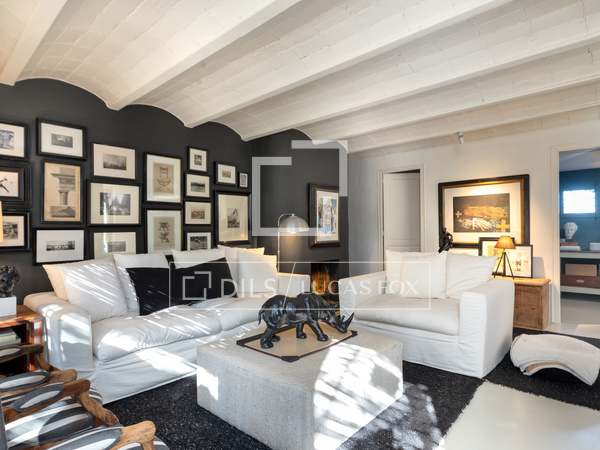
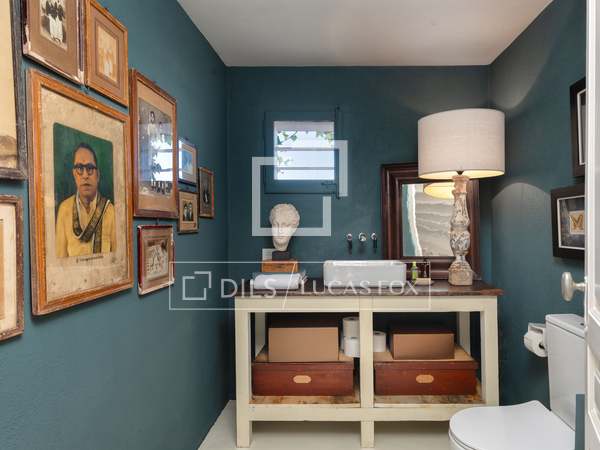
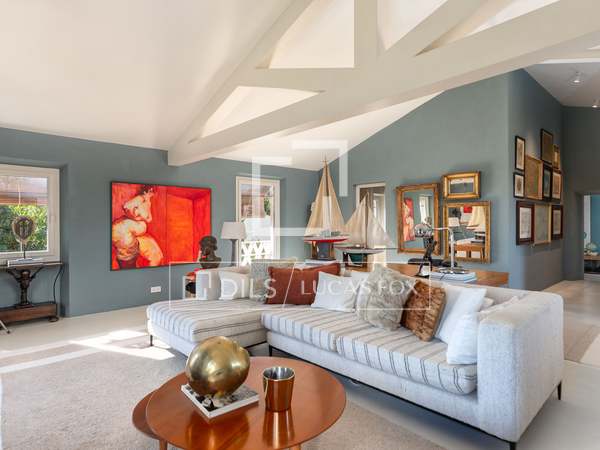
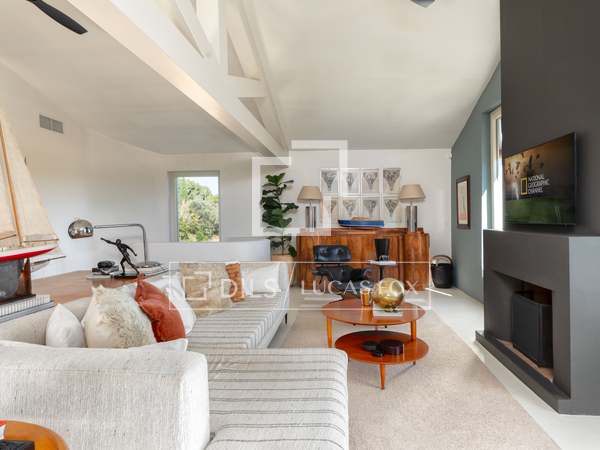
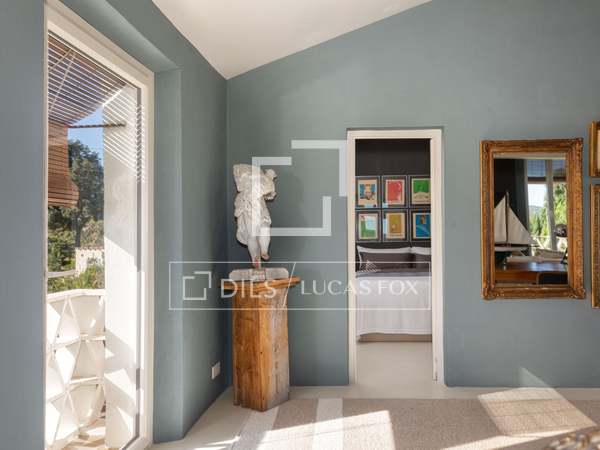
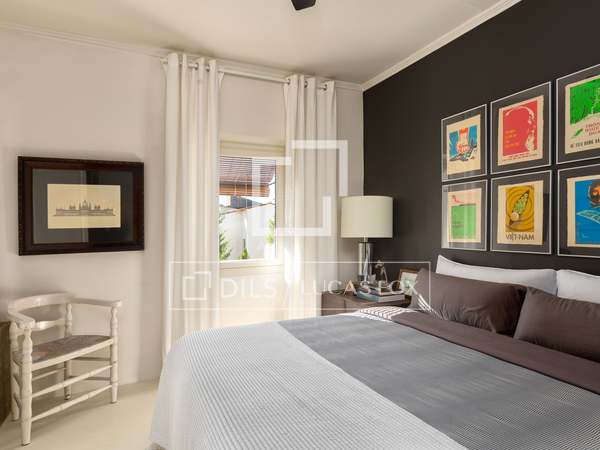
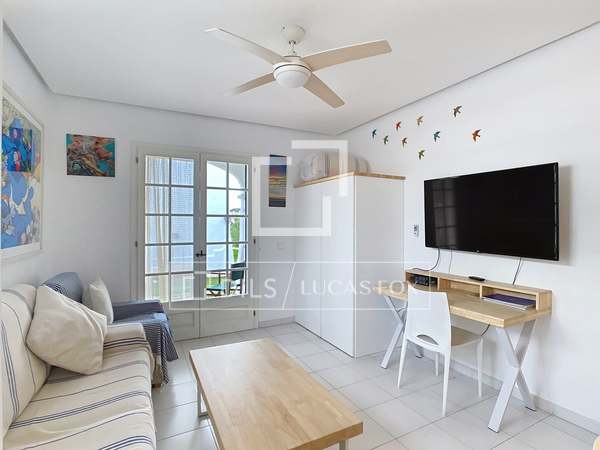
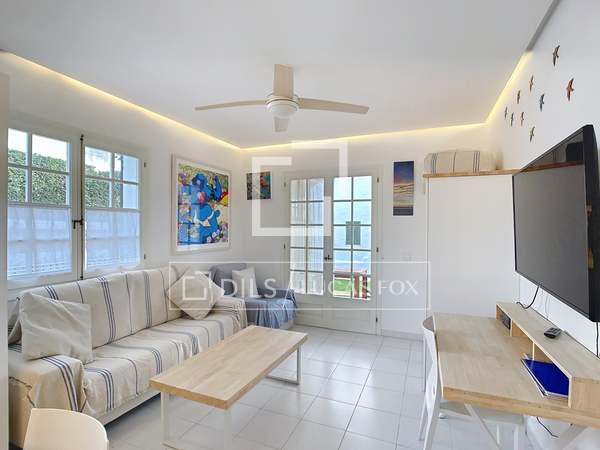
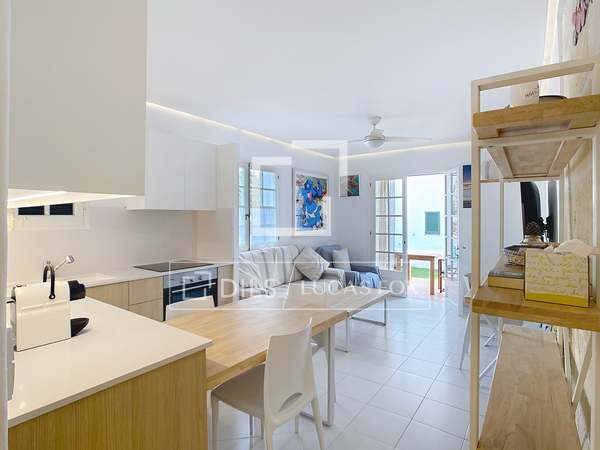
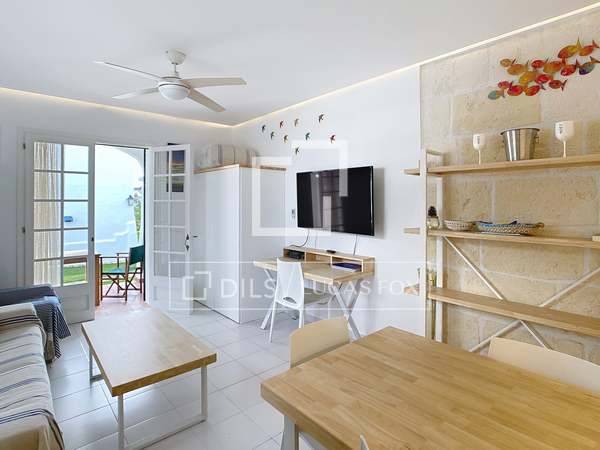
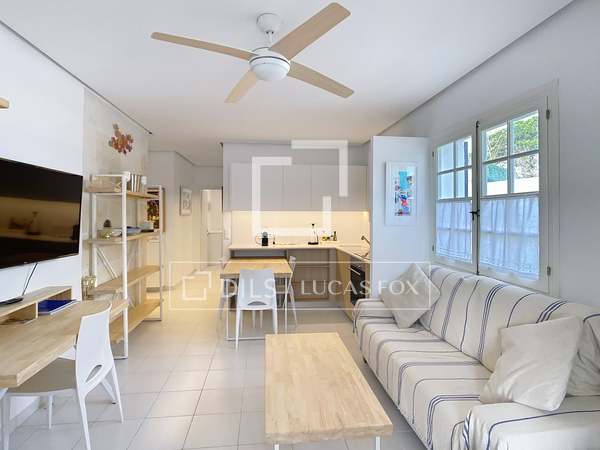
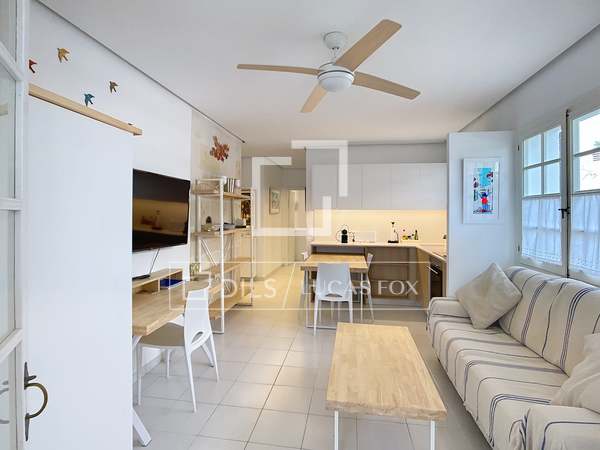
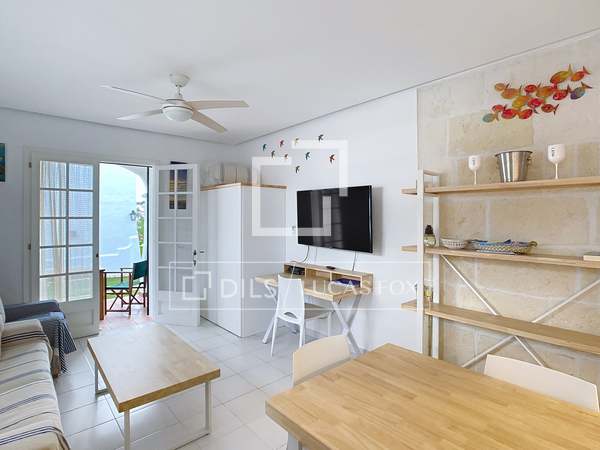
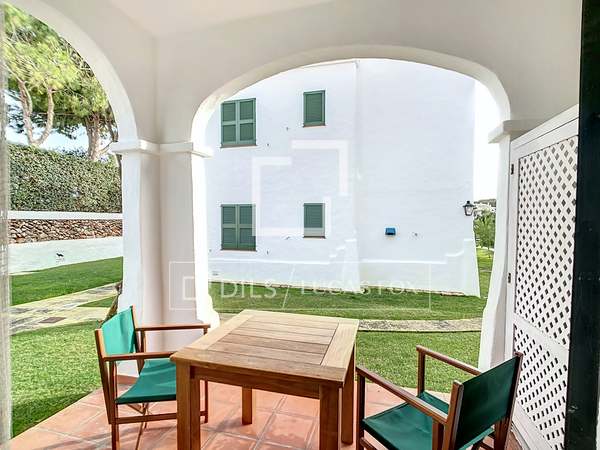
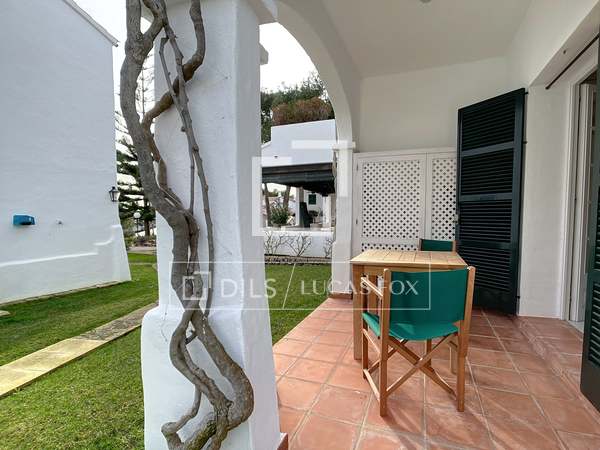
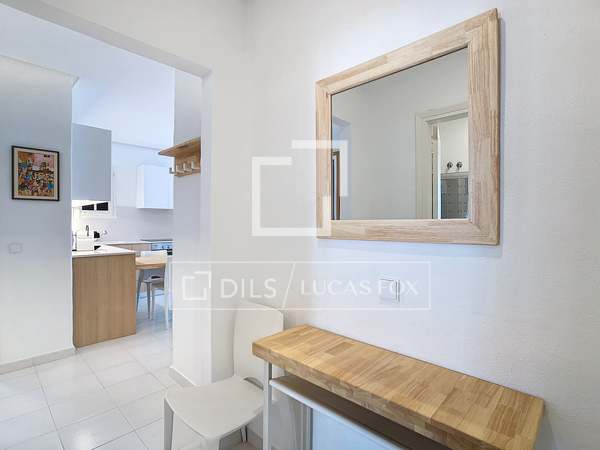
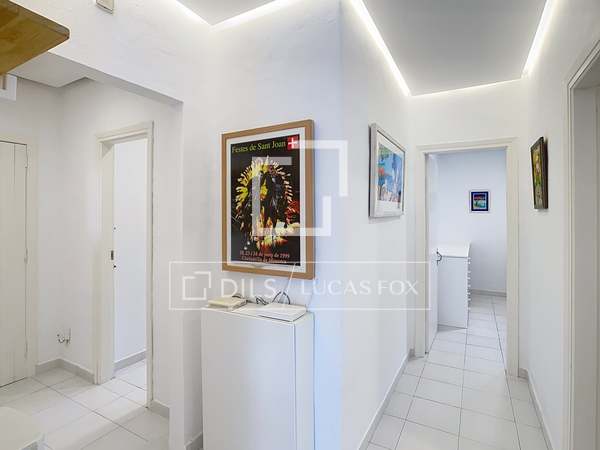
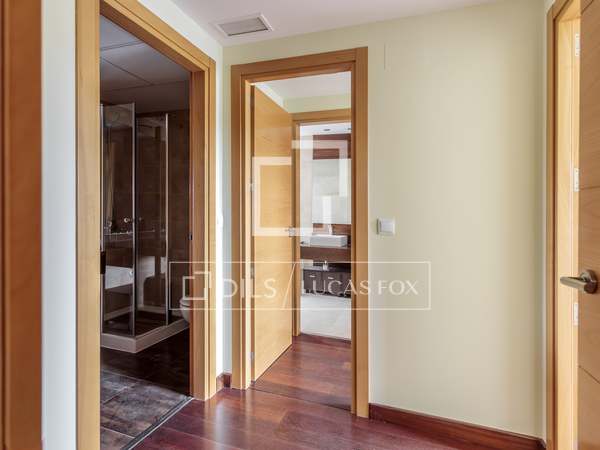
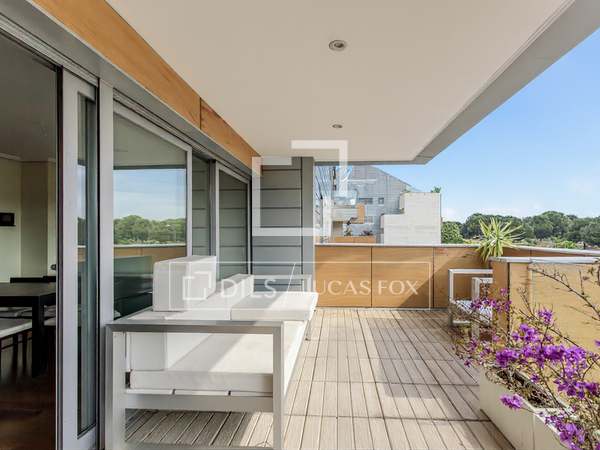
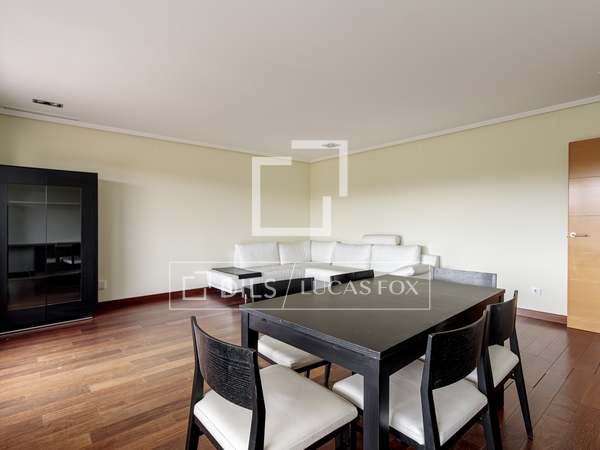
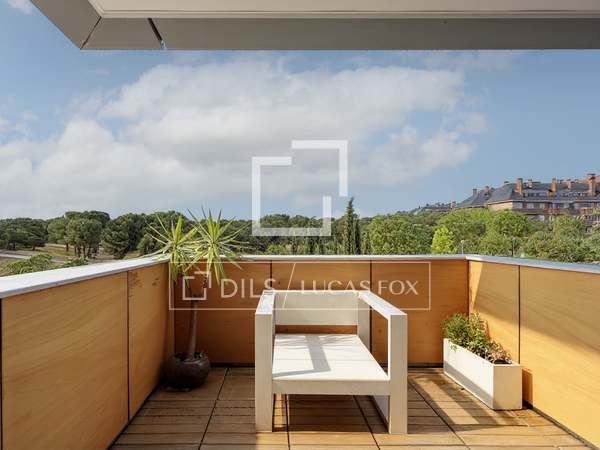
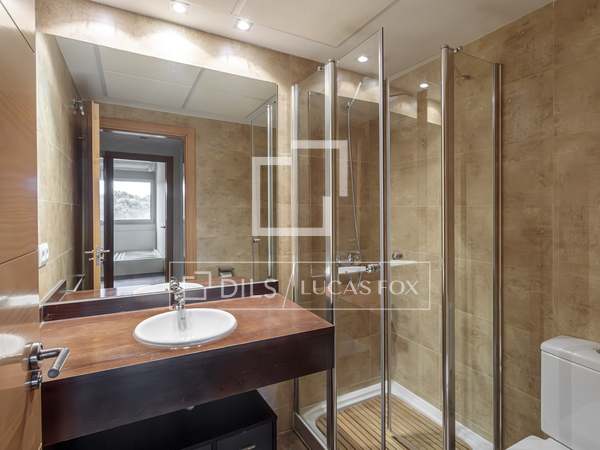
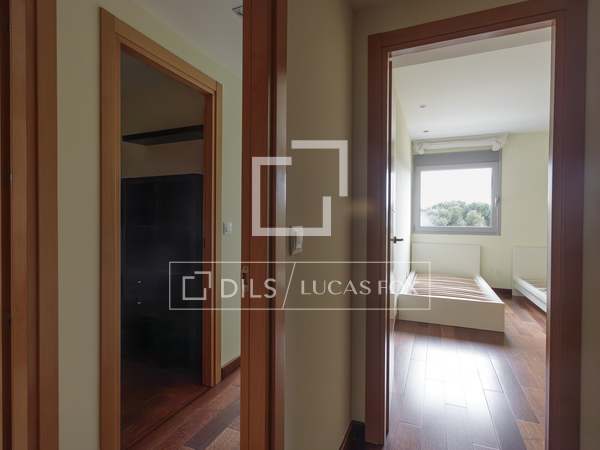
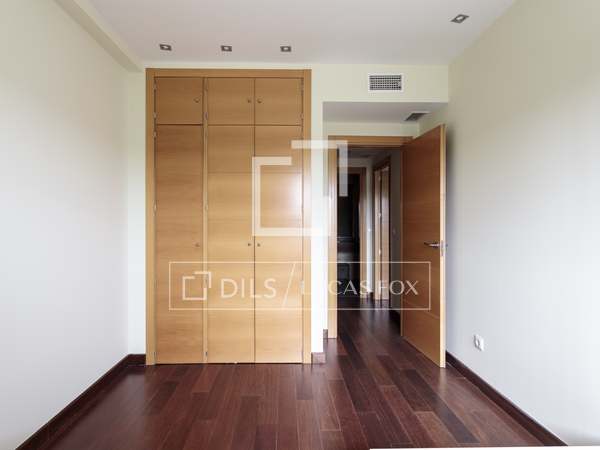
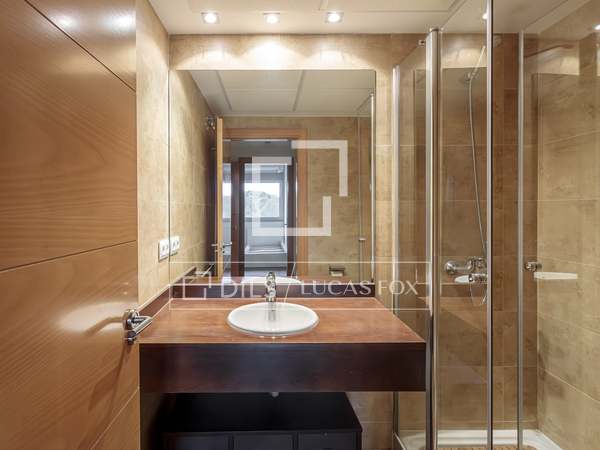
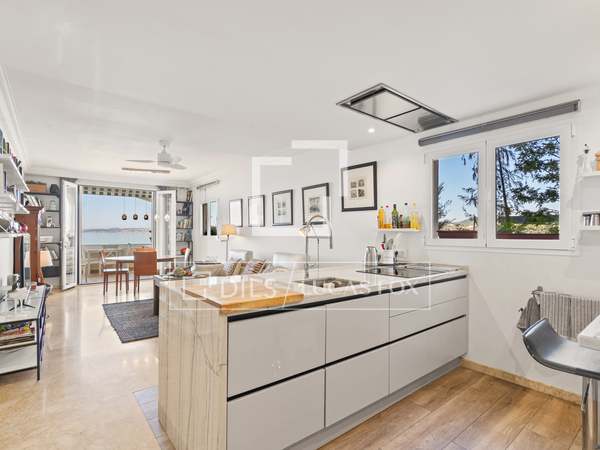
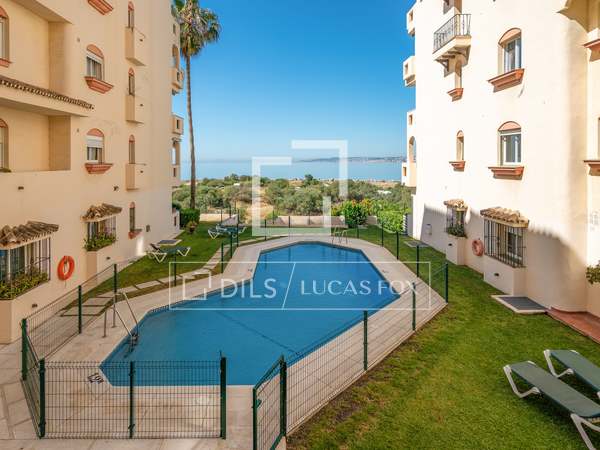
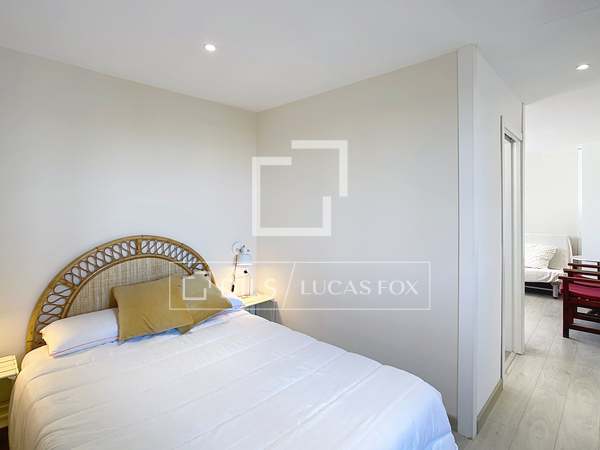
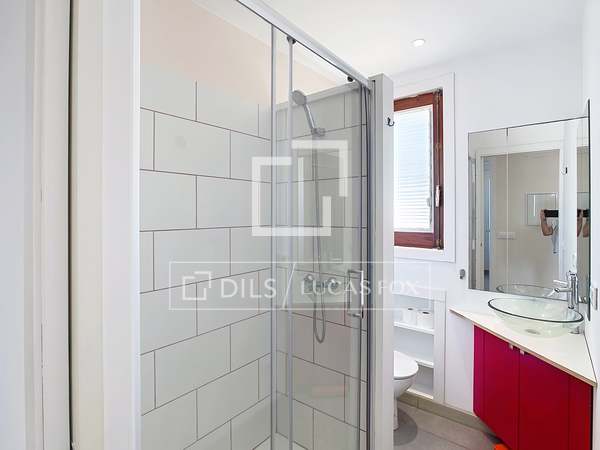
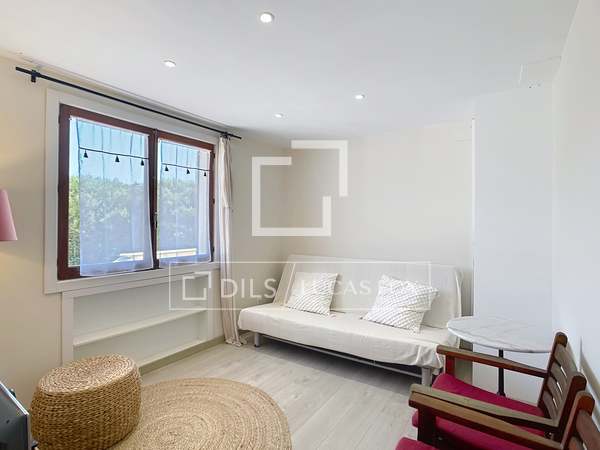
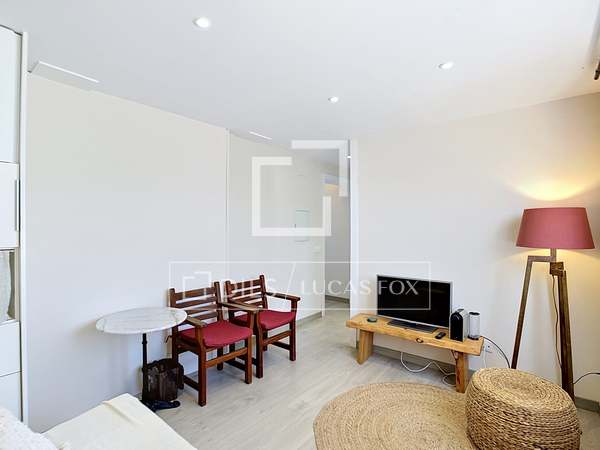
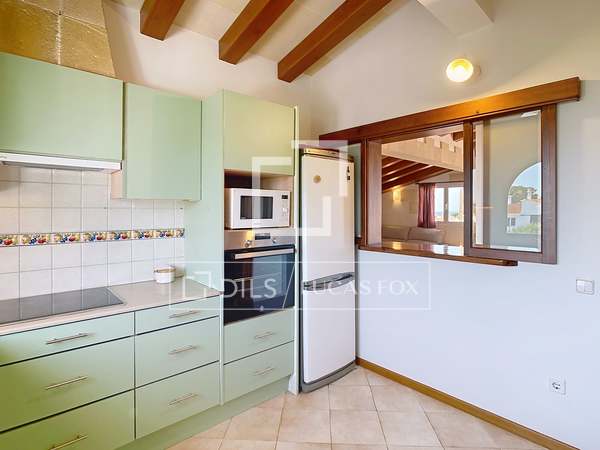
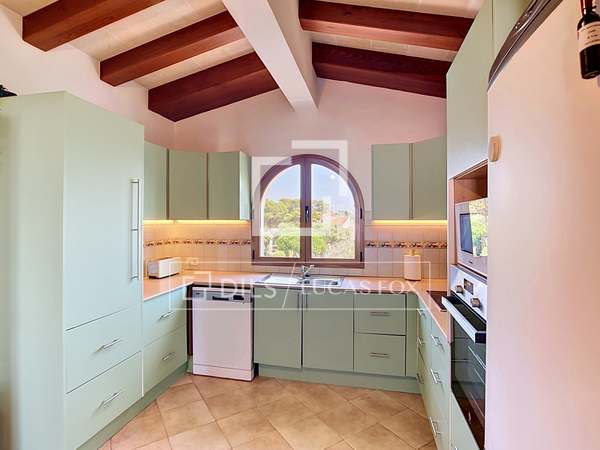
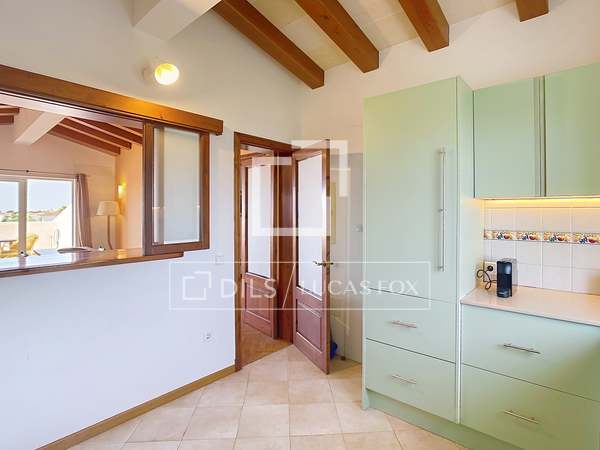
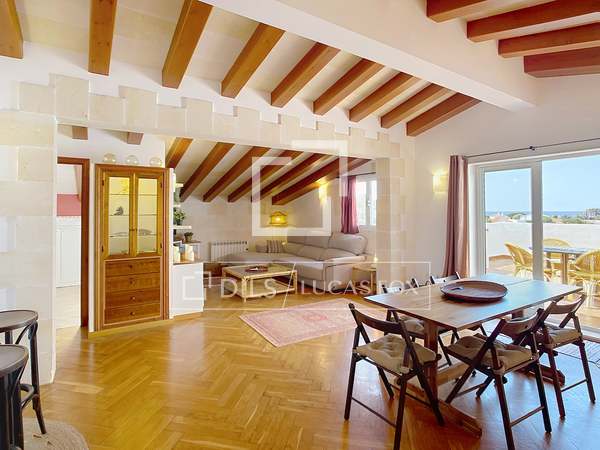
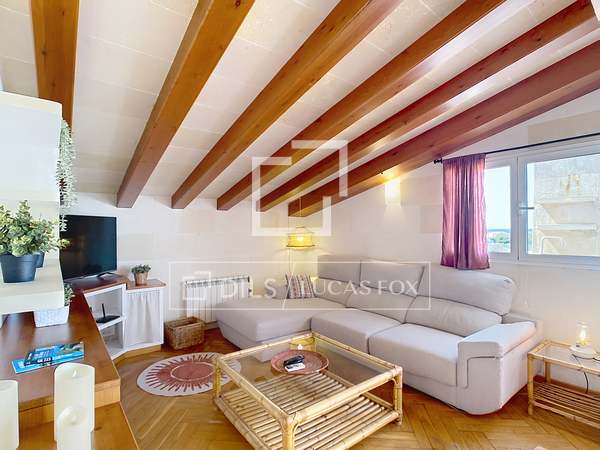
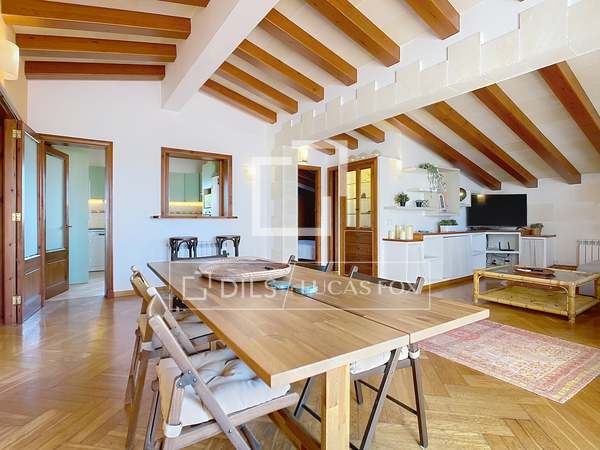
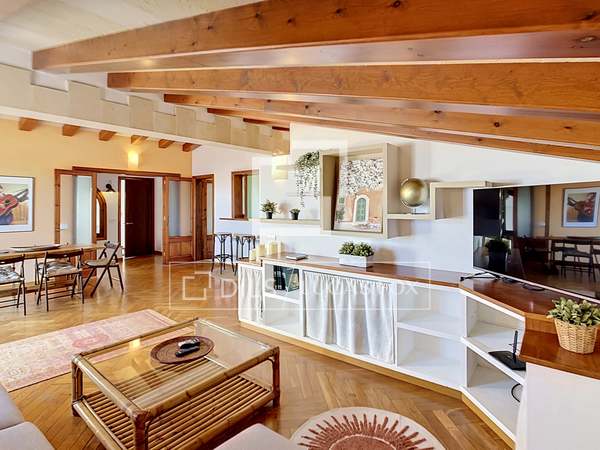
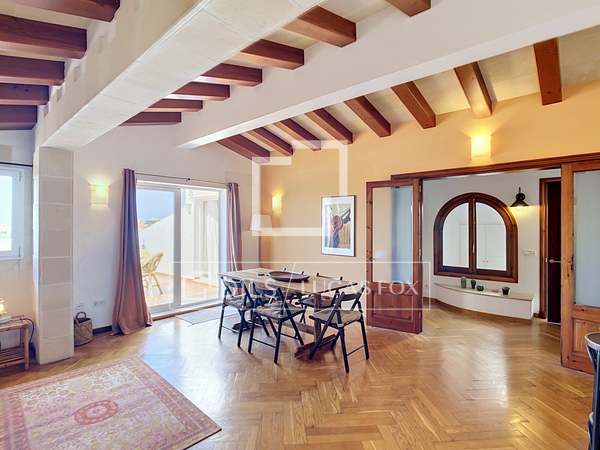
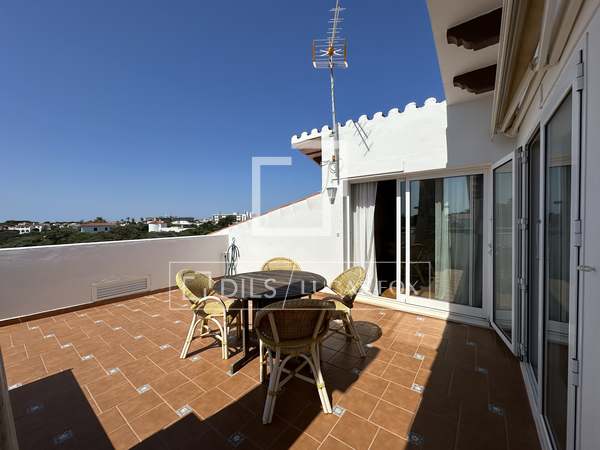
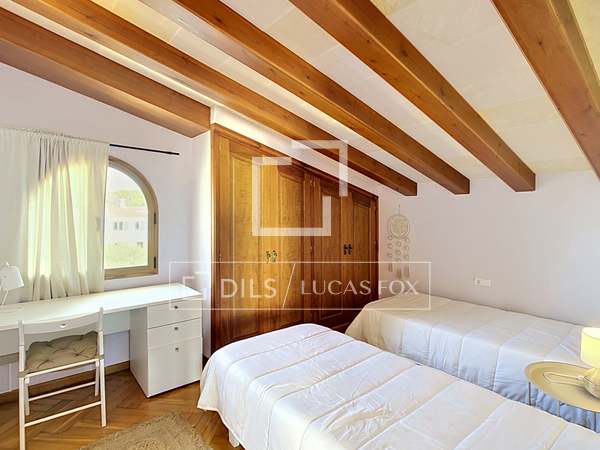
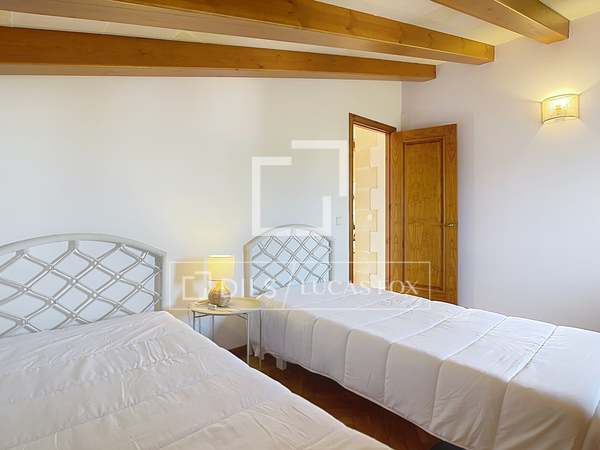
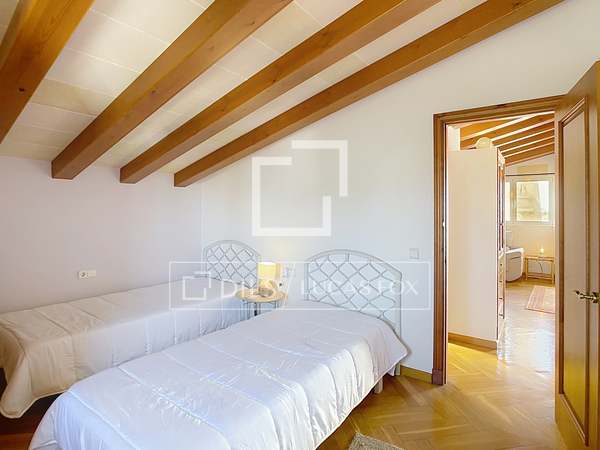
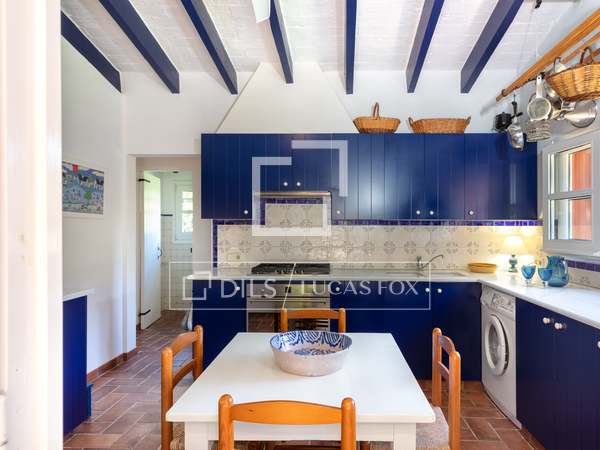
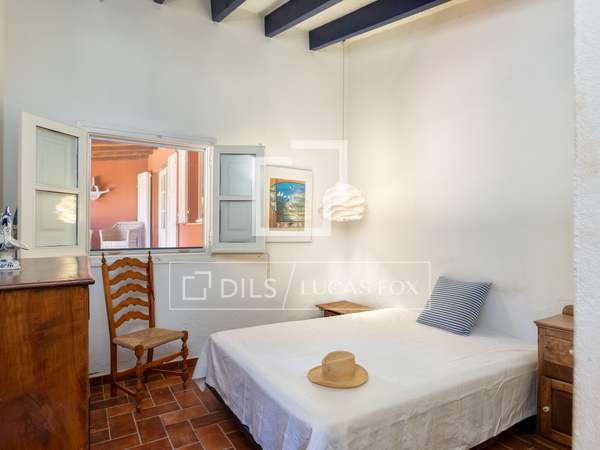
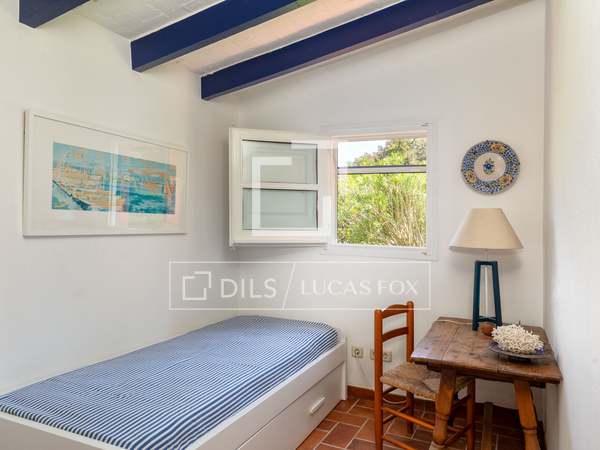
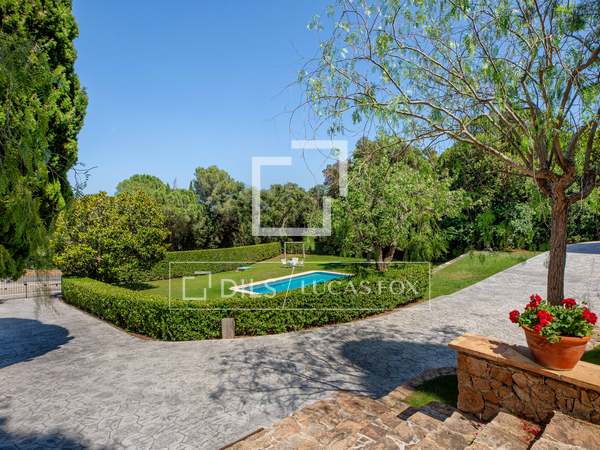
Featured properties
Properties Portugal – Guide to Buying Process – Lucas Fox
When you’ve settled on the property you want you’ll need to choose a qualified solicitor to represent you. We can provide a number of recommendations of reputable local lawyers. Many foreign clients choose to assign their solicitor power of attorney. This allows them to apply for the necessary paper work on your behalf and can save costs in the long run. It will also ensure that you do not lose the deal on account of not being able to act quickly enough.
Pre contract
The first thing that the solicitor will undertake is thorough pre-contract enquiries. The vendor should have a complete set of title deeds that show that they are the person legally entitled to sell and that the property sold is the property you have agreed to buy.
The property should have a valid habitation license that is similar to planning permission and confirms that the local authority has approved construction of the property. The solicitor will check the following:
• Land registration
• Ownership
• Title
• Description of property
• Mortgages / Encumbrances
• Related charges
• Third party interests
Caderneta Predial
Every property must have a “Caderneta Predial”. This is a document that sets out, amongst other things, the rateable valuation. This valuation is important for the determination of taxes payable.
Habitation Licence
All residential properties constructed after 1951 need a habitation license confirming that the local authority, the Camara Municipal, has inspected the property and that it complies with planning permission and building regulations. If the property was in existence prior to 1951 a certificate to state this must also be obtained from the Camara.
Fiscal Number (Número de contribuente)
If you are buying a property of any kind you will need a fiscal number. The process is not complicated and can be handled by your lawyer.
Survey Report
A survey report is not a legal requirement during the purchase of a property in Portugal but is sometimes advisable with older properties.
Assuming that all of the above have been checked satisfactorily, a contract to purchase will be drawn up.
Promissory Contract
The solicitor will prepare a contract of purchase and sale (contracto promessa de compra e venda) to be signed by the purchaser and the vendor. This should include all relevant details of the property, the price, the payment schedules, the completion date and any special terms and conditions agreed by both parties.
At this stage the agreed deposit, normally 10% of the purchase price is paid to the vendor. The purchaser and vendor are then legally bound by the contract. There will be penalty clauses contained in this document in the event of either party withdrawing from the sale or purchase after this contract is signed.
The final deeds (Escritura)
The final deeds will be signed at the notary’s office. The balance of the purchase price is paid at this time, and the notary subsequently enters the transaction in the official records. Usually, the buyer can only take official possession after signing the final deeds of the property.
The period of time between the promissory contract and signature of the final deeds can vary according to the wishes of the buyer and seller. This timescale is stated in the promissory contract, but usually it is 30-60 days.
Registration (Registo Predial)
After the transaction has been entered into the notaries’ records, the lawyer will take a copy of the deed and register the transaction at the land registry. This formally notes the purchaser’s legal ownership of the property.